Planting beneath a mature tree sounds like a wonderful gardening idea.
Cool shade, leafy hostas, delicate ferns, and perhaps a few flowering perennials create a miniature woodland garden. Everything looks perfectly arranged, at least until summer arrives.
Suddenly, hostas begin drooping, ferns turn crispy around the edges, and the soil seems capable of swallowing an entire watering can without showing much appreciation.
Surprisingly, shade doesn’t necessarily mean moisture. Established trees have extensive root systems that compete aggressively for water, leaving smaller plants struggling even after a decent rainfall.
Successful watering beneath mature trees depends on getting moisture into the smaller plants’ root zones without saturating the surrounding soil.
A little knowledge about tree roots, some careful watering, and a willingness to inspect the dirt can make all the difference.
Why Is It So Difficult to Water Plants Under Mature Trees?
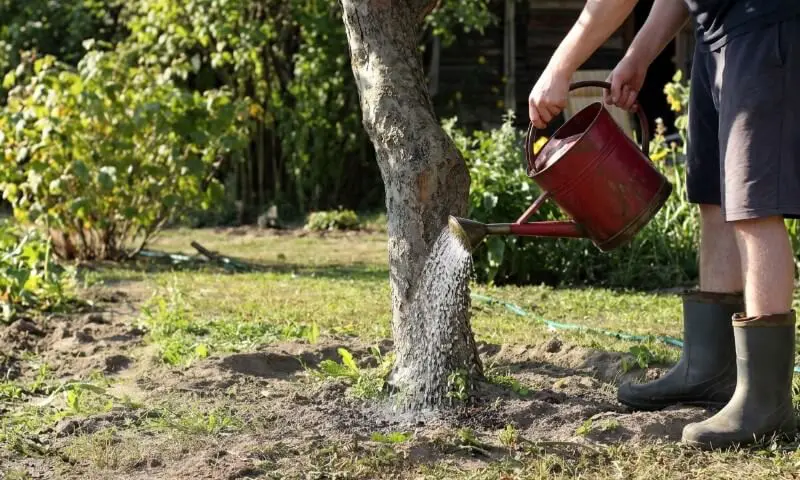
Most gardeners notice the branches first. After all, an enormous oak or maple canopy is difficult to ignore. Yet much of the competition happens underground, where an equally impressive network of roots is busy collecting water.
According to established tree root research and watering recommendations, most small feeder roots responsible for water absorption occupy the upper 12 to 18 inches of soil.
Unfortunately, that’s also where many garden perennials develop their roots.
Every hosta, fern, or groundcover growing beneath an established tree must therefore compete with a considerably larger neighbor.
Matters become more complicated overhead.
Dense branches and leaves intercept rainfall, meaning some water never reaches the ground directly beneath the canopy. Meanwhile, tree roots continue absorbing moisture already stored in the soil.
Gardeners call these conditions dry shade, an environment that manages to combine limited sunlight with limited water.
Even a generous rainstorm can be misleading. Surface soil might look damp while the smaller plants’ root zones receive relatively little moisture.
Consequently, plants beneath mature trees often need closer attention than those growing in open beds. Adding more water isn’t necessarily the solution. Getting it to the correct place matters considerably more.
Check the Soil Before Watering
Gardening schedules are convenient. Unfortunately, soil doesn’t pay much attention to calendars.
Watering every Tuesday might sound perfectly reasonable, but rainfall, temperature, soil texture, and root competition can change moisture conditions considerably between visits.
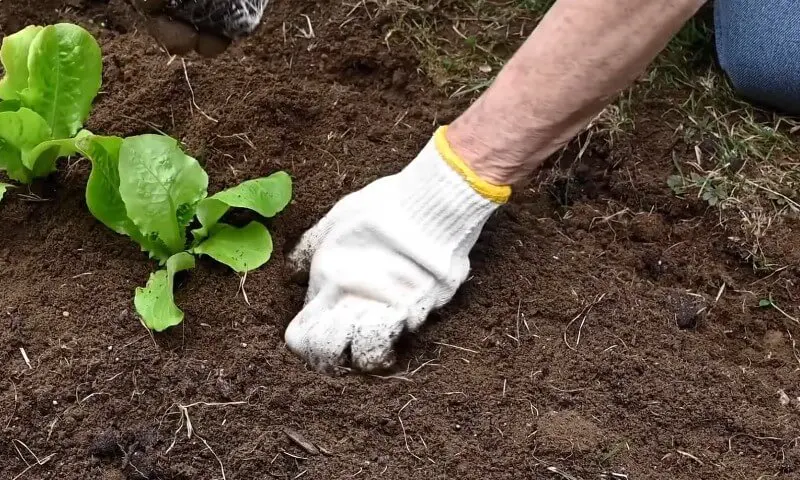
A better approach starts with a small hand trowel.
Gently open a narrow hole near your smaller plants and inspect the soil several inches below the surface. Avoid cutting through large tree roots or disturbing established plant roots.
Healthy soil moisture should generally feel cool and slightly damp, not muddy or saturated.
If soil crumbles apart and feels noticeably dry, watering may be necessary. If it sticks together in a wet, heavy mass, additional water could make matters worse.
For mature trees themselves, checking 6 to 9 inches below the surface offers a useful indication of moisture availability. Smaller plants may have shallower roots, so inspect their actual growing depth rather than relying entirely on that measurement.
Soil type matters, too.
Sandy ground drains quickly and may require smaller, more frequent watering sessions. Clay holds moisture longer but can become waterlogged if irrigation is excessive.
Never assume that wilting automatically means thirst. Roots struggling in saturated soil may also produce drooping foliage because insufficient oxygen interferes with normal root function.
A quick soil check can prevent an enthusiastic gardener from accidentally making a bad situation worse.
How to Water Plants Under Mature Trees Properly
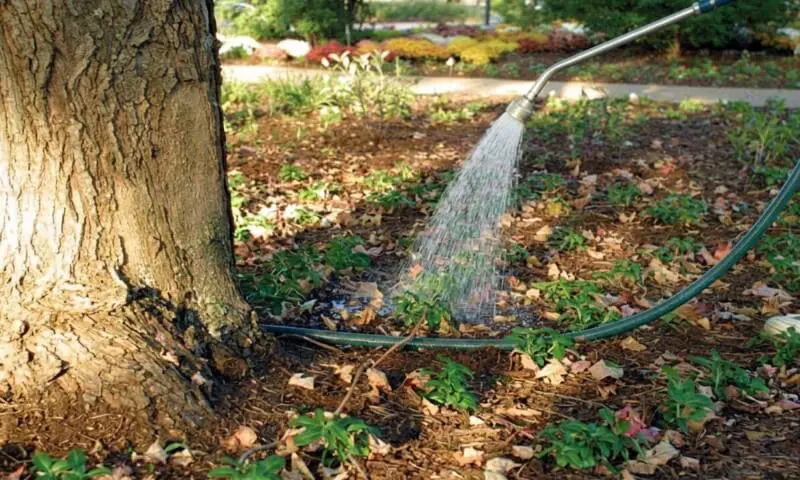
Once you’ve established that watering is necessary, technique becomes more important than quantity alone.
Goal number one is simple: deliver enough water to reach the plants’ roots without creating puddles or depriving the tree’s roots of oxygen.
Water Slowly and Thoroughly
A quick spray across the garden bed might make everything look refreshed, but appearances can be misleading.
Light watering often moistens only the uppermost soil, encouraging shallow root growth and leaving established root systems thirsty.
Instead, apply water slowly enough to penetrate the soil thoroughly.
For established trees, recommendations generally call for moistening the upper 6 to 9 inches of soil when irrigation is needed. Smaller understory plants should receive enough water to moisten their own root zones, which may be shallower.
Very dry soil sometimes creates an additional problem. Water can run across a hardened surface rather than soaking into it.
Consider a planting bed beneath a large maple during a dry July. Water begins pooling around a hosta after several minutes, even though soil a few inches below still feels dry.
Rather than continuing to pour water onto the same spot, stop and allow the moisture to soak in. Resume watering in shorter intervals, then check the soil again.
Such staged watering is especially useful on slopes and compacted or slow-draining ground.
Allow the soil to dry appropriately between sessions. Constant saturation reduces oxygen availability and can damage both perennial and tree roots.
Deliver Water Directly to the Soil
View this post on Instagram
Watering equipment can make a noticeable difference beneath mature trees.
A watering wand works well for individual plants, while soaker hoses and drip irrigation offer more consistent coverage across larger beds.
Each method has advantages:
- Watering wand – Provides precise control around individual hostas, ferns, and flowering perennials.
- Soaker hose – Releases water gradually along its length, making it useful for closely spaced plantings.
- Drip irrigation – Delivers measured amounts near selected root zones, particularly useful for larger or irregularly shaped beds.
Watering directly at soil level also limits unnecessary wetting of foliage, which can contribute to fungal problems under suitable conditions.
One detail deserves particular attention: a hose placed beside the trunk won’t necessarily irrigate plants several feet away.
Tree roots spread widely, and each smaller plant needs moisture within its own growing area.
After watering, inspect the soil again. Damp mulch or a wet surface doesn’t guarantee adequate moisture underneath.
For a more accurate test, established watering guidance recommends checking moisture below the surface and ensuring irrigation penetrates approximately 5 to 6 inches where appropriate.
Choose the Right Time to Water
Early morning is generally the best time to irrigate.
Cooler temperatures and calmer conditions usually reduce evaporation and help water reach the soil before daytime heat increases moisture loss.
Morning watering also gives any accidentally wetted foliage an opportunity to dry.
During hot, windy, or unusually dry weather, check soil moisture more frequently. A bed that needed watering only occasionally during spring might dry considerably faster during a July heat wave.
However, don’t water automatically because the forecast looks unpleasant.
Actual soil conditions should determine the decision.
Help the Soil Hold Onto Moisture
Good watering technique solves only part of the problem. Keeping that moisture available is equally important.
Organic mulch is particularly valuable beneath mature trees because it reduces evaporation, moderates soil temperatures, and gradually improves soil conditions as it decomposes.
A layer approximately 2 to 3 inches thick works well for many planting beds.
Suitable materials include shredded leaves, leaf mold, and wood chips.
Apply mulch across exposed soil while keeping smaller plants’ crowns uncovered. Avoid piling material against the tree trunk, where trapped moisture can encourage bark deterioration.
For mature trees, leaving roughly 12 to 18 inches of clearance around the trunk is a useful practice.
Mulch also reduces competition with weeds and protects soil against the compaction caused by repeated foot traffic.
Compacted soil contains fewer large air spaces, making it harder for water to infiltrate and oxygen to reach roots. Surprisingly, adding more water to badly compacted ground can sometimes worsen root stress.
Avoid routinely digging or cultivating soil beneath mature trees, too. Many important feeder roots sit close to the surface and can be damaged by unnecessary disturbance.
Give Newly Planted Plants Extra Attention
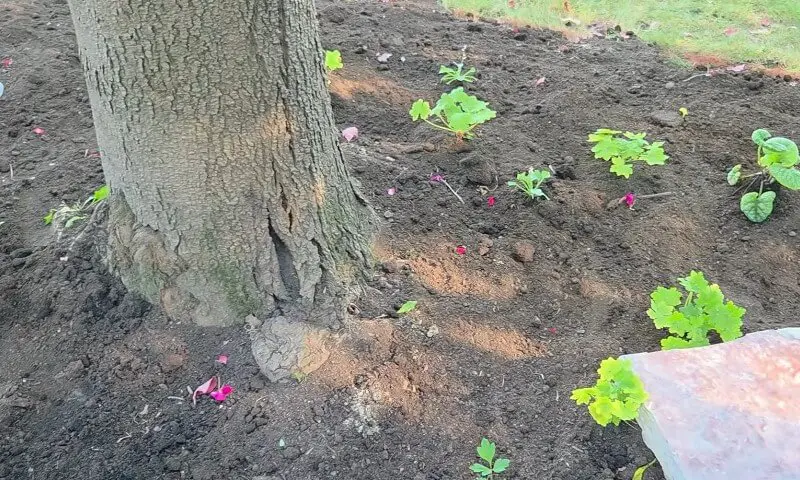
An established fern and a newly planted fern might look nearly identical aboveground, but their root systems tell different stories.
Young perennials initially depend on relatively small rootballs. Unlike established plants, they haven’t developed extensive roots capable of collecting moisture across a wider area.
Consequently, their first growing season requires particularly careful monitoring.
Check moisture around the original rootball regularly, especially during hot or dry periods. Water the rootball itself and the surrounding soil so developing roots can gradually expand into neighboring ground.
One overlooked problem involves differences between nursery potting mix and garden soil.
Container-grown plants often arrive in lightweight growing media that can dry faster than the surrounding ground. Soil nearby might feel adequately moist while the original rootball has already become dry.
Checking both areas helps identify the problem before foliage begins wilting.
Established trees also need attention during prolonged drought. Protecting smaller plants shouldn’t mean allowing their much larger neighbor to experience severe moisture stress.
Plant selection can reduce future maintenance considerably. Species adapted to dry shade generally require less supplemental watering once established than plants that prefer consistently moist conditions.
Some sedges, epimediums, and certain hardy geraniums are worth considering, depending on local climate, soil conditions, and the amount of available sunlight.
Even drought-tolerant plants need regular attention while their roots establish.
Work With the Tree, Not Against It
Growing a beautiful garden beneath an old tree doesn’t require a permanently running sprinkler.
Success comes through paying attention to conditions that aren’t immediately visible.
Check moisture below the surface, water slowly enough to reach the roots, and use mulch to conserve what the soil receives. Give new plantings extra attention while allowing established specimens to develop stronger root systems.
Most importantly, recognize that a mature tree is already using much of the available water.
Once that competition becomes part of your gardening routine, keeping hostas and ferns healthy becomes considerably less mysterious.