Gardening looked suspiciously peaceful before I actually did much of it. Pictures had led me to expect a chair under a tree, a few tomatoes glowing politely on the vine, and perhaps ten quiet minutes spent snipping basil before dinner.
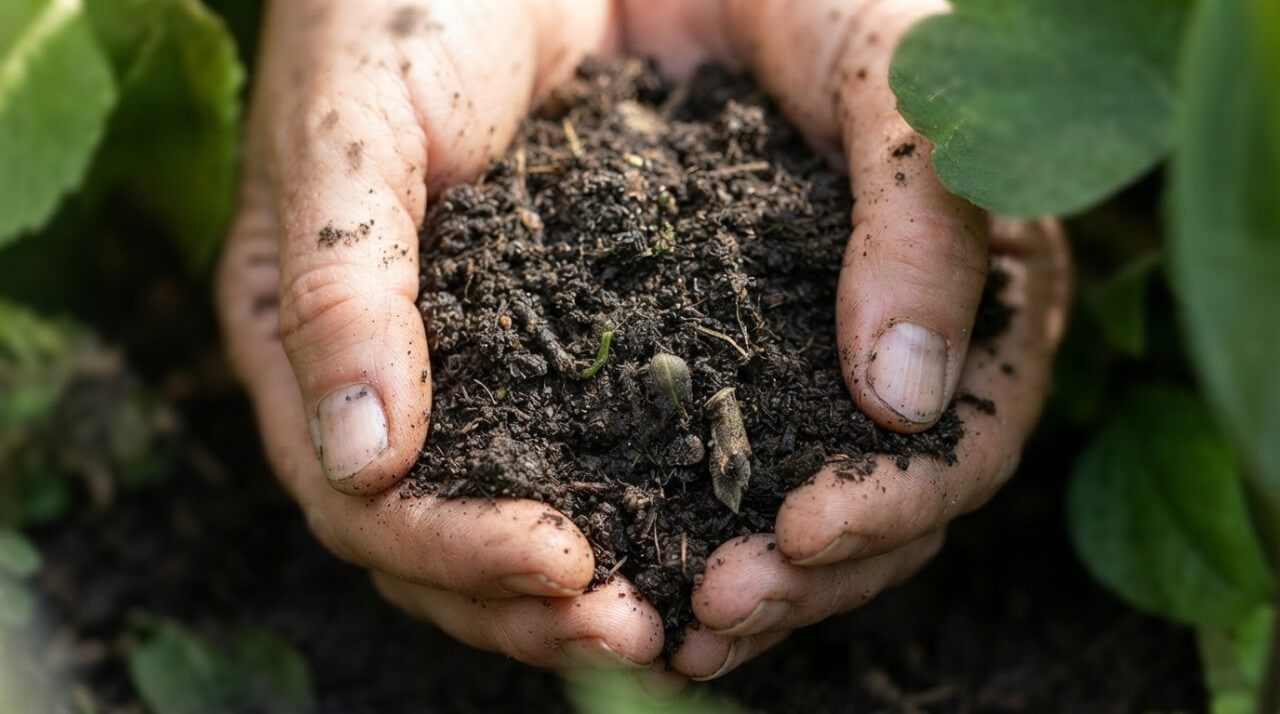
Reality involved dirt packed under my fingernails, sore shoulders, watering cans that became heavier with every step, and weeds capable of appearing overnight with the confidence of legal property owners.
Somewhere along the way, checking the garden became part of my morning. I would go out to inspect leaves, poke at the soil, pull whatever had appeared where it had no business appearing, and decide who looked thirsty.
Five minutes easily became half an hour. Surely, I did find it relaxing. Just not in the way I expected.
My original plan was simple. Grow a few things. Eat some of them. Enjoy myself.
Instead, gardening started correcting me in some ways.
I Learned That I Like Control More Than I Thought
Seeds encourage dangerous confidence.
A packet tells you when to sow. A label tells you how much sun a plant wants. A neat little diagram suggests spacing.
Put all of that together, and it becomes very easy to believe you are in charge.
Plants are excellent at curing that belief.
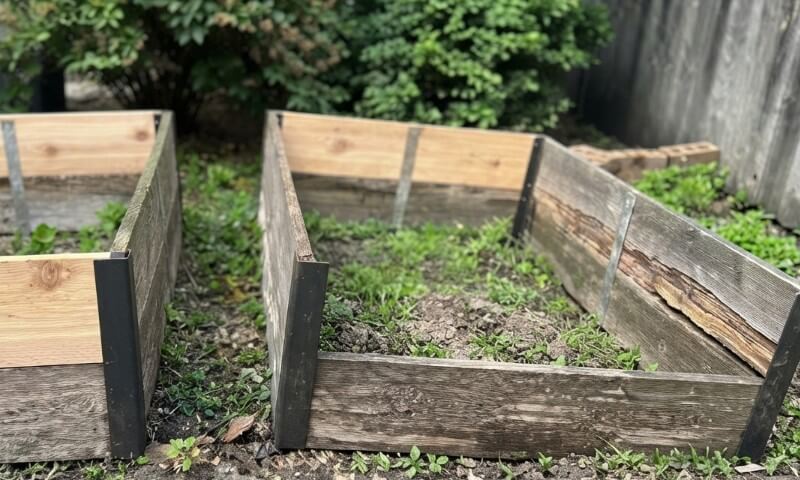
One gardener I have followed planned a decorative vertical planting with cucumbers and pole beans. It sounded tidy, productive, and clever. Anthracnose showed up on the cucumbers, new bean varieties proved disappointing, and the whole arrangement eventually had to be pulled. Cabbage, beets, and kohlrabi went into the cleared space instead.
I like that story because it is almost offensively familiar. You make a plan. Plants review it. Revisions are issued.
My own early instinct was to treat every deviation as evidence that something had gone terribly wrong. A plant leaning where I had imagined it upright felt like a small design failure. A gap in a row bothered me. An unexpected volunteer plant felt less like a gift and more like paperwork.
Gardeners with more experience tend to laugh at that sort of thinking. Perfection gives a garden too many opportunities to mock you. Some seasons cooperate. Others arrive with heat, disease, pests, bad timing, or combinations nobody requested.
Eventually I stopped seeing a changed plan as a ruined plan.
That took longer than I care to admit.
I Got Better at Failing
Dead plants are very educational once you stop pretending they died for mysterious reasons.
Early mistakes were not subtle. Too much water. Too little water. Too much sun. Too little sun. Seeds planted in places that made sense to me but not to the seeds. Plants bought on optimism alone.
I also learned that some spots are difficult for reasons that have very little to do with gardening skill, especially the dry, root-filled ground under a mature tree I talked about before.
I had treated watering as if it were a moral duty. Dry soil meant water. More water meant more care. More care surely meant healthier plants. Anyone who has drowned a plant while trying to be attentive already knows how that logic ends.
Sunlight created similar trouble. Labels saying “full sun” or “part shade” looked uncomplicated until I noticed that six hours of mild morning light and six hours of brutal afternoon heat do not always feel like equal experiences to a plant.
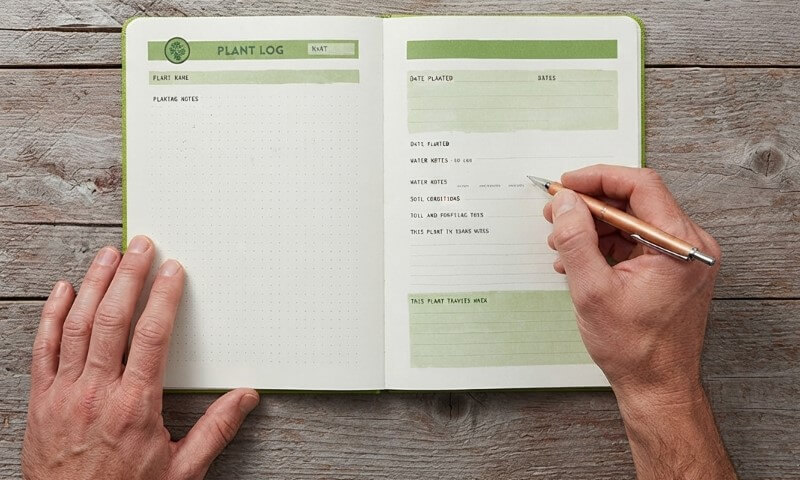
Failure became less dramatic once I started keeping notes.
Memory is flattering. Notes are not. A notebook will calmly inform you that you planted the same thing in nearly the same bad spot last year and were equally surprised when it objected.
Questions changed too.
Instead of asking, “Why am I bad at this?” I started asking, “What went wrong here?”
One question produces sulking. Another gives you something to check.
I Learned to Pay Attention
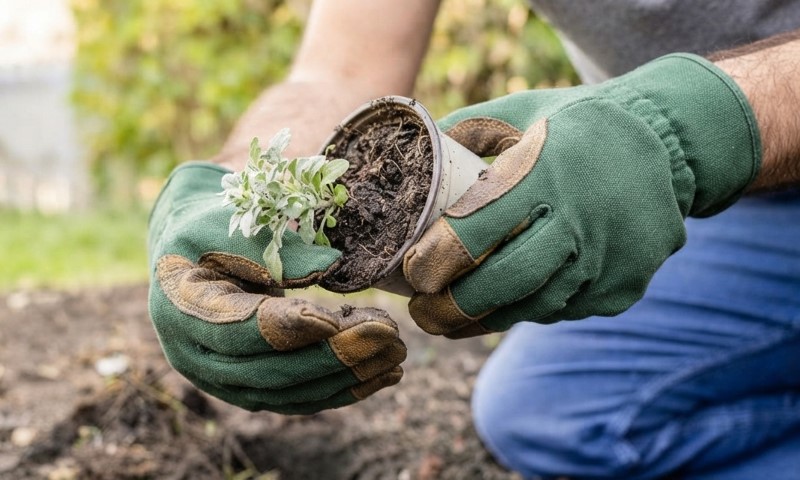
At first I saw plants.
Later I saw dry soil at the edge of a pot, chewing damage on one leaf, new growth tucked into a stem, aphids gathering under a tender tip, a flower bud loosening, and the small difference between a plant resting and a plant beginning to look unhappy.
Gardening trains your eyes almost without asking permission.
Insect life was one of the biggest surprises. A garden that looks still at a distance becomes crowded when you kneel down.
Beetles move through mulch. Tiny flies hover near flowers. Bees work blossoms with astonishing efficiency.
Spiders set up shop in places I nearly put my hand. Some visitors help. Some chew. Some appear to be doing absolutely nothing useful, which makes me feel slightly less guilty about doing the same on certain afternoons.
Observation also made me less desperate for instant explanations.
One experienced gardener noticed that tomatoes receiving less water also seemed to show more disease. Decades of experience did not tempt her into announcing a grand discovery. She marked the pattern and decided to watch it in later seasons.
I admire that restraint.
Gardening produces endless little mysteries, and not all of them need an answer by lunchtime. Sometimes a yellow leaf is a clue. Sometimes it is one old leaf reaching the end of its useful life. Knowing which is which often starts with looking longer.
My garden did not make me all-knowing.
It made me slightly less eager to guess.
I Learned That Patience Is Mostly Irritation in Disguise
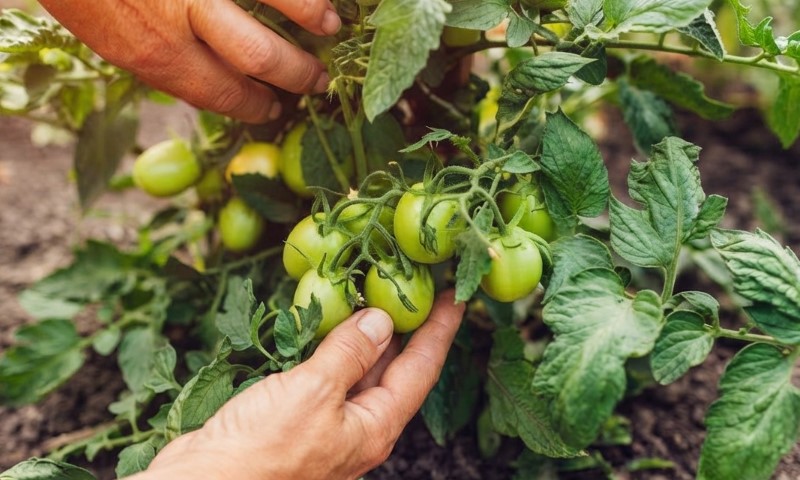
Nobody tells you how often patience involves staring at the same tomato.
You check it in the morning. Still green.
You check it in the evening. Slightly less green, perhaps, if you are feeling generous.
Next morning, you inspect it again as if several hours of darkness might have produced a miracle.
Waiting for basil to become large enough to harvest tested me in much the same way. Young plants have their own pace, and they are unmoved by dinner plans.
Patience sounds dignified when discussed indoors. In a garden, it often looks like a person crouching beside a plant for the fourth time that day.
Gardeners talk about patience and humility constantly for good reason. Growth happens on biological schedules, not personal ones.
Seeds germinate when conditions suit them. Fruit ripens when it is ready. Weather interrupts. Insects arrive. A cold night can undo several warm days.
One of the kindest gardening ideas is also one of the simplest.
There is always next year.
I used to hear that as consolation. Now I hear it as practical advice.
Every season has an end, and every mistake has a chance to become useful later.
I Became Way Less Sentimental
Every seedling felt like an achievement, so removing one felt vaguely criminal.
I hesitated to thin crowded plants. Pulling something that still had a few green leaves seemed wasteful.
Experience cured a lot of that tenderness.
Healthy plants are often tougher than nervous gardeners think. Deadheading encourages more flowers in many species.
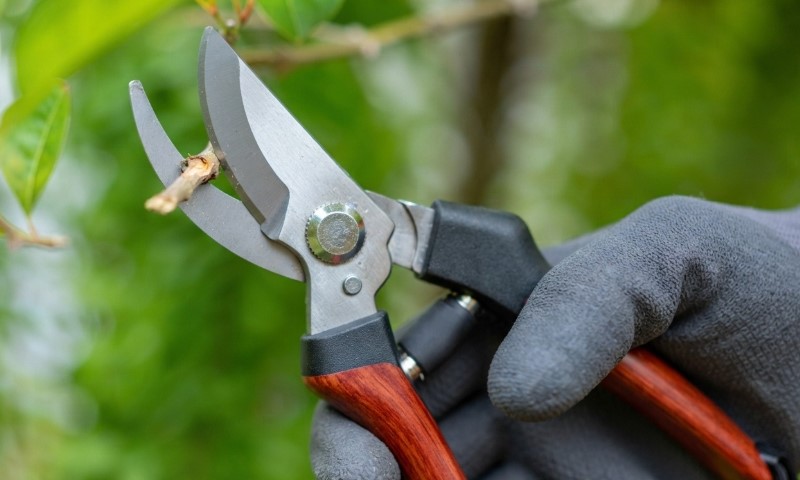
Thinning gives crowded seedlings room. Pruning can improve shape, airflow, and growth. Uprooting one struggling plant can protect several healthy ones.
Diseased plants taught me the hardest version of that lesson.
Such decisions bothered me at first. I had watered that plant. I had watched it grow. I had probably spoken to it, although I reserve the right to deny that under formal questioning.
Still, gardening does not reward sentimentality for its own sake.
Compost helped me make peace with the cycle. Leaves collapse. Stems soften. Old plant material breaks down and eventually helps feed later growth. Something can fail in one role and still become useful in another.
Gardening made me quicker with the pruners.
It also made me less likely to confuse keeping something alive with caring for the garden as a whole.
Somehow, I Became a Gardening Person
Nobody warns you about the vocabulary.
You begin with “tomato.”
Soon you know varieties. Then determinate and indeterminate types enter the conversation. Next comes pruning and staking, disease resistance, seed starting, transplant timing, blossom drop, feeding, spacing, and preserving.
At some point you hear yourself discussing all of it voluntarily.
One gardener joked about suddenly knowing more than a hundred plant names and the preferences attached to them. I know the feeling. Gardening knowledge accumulates quietly. You learn one plant because you bought it.
You learn another because the first one hates its neighbor. Then you learn an insect because it ate both.
No finish line appears.
Tomatoes provide a particularly good example of how absurdly detailed a simple interest can become. One experienced gardener changed her setup, swapping 30 indeterminate tomato plants for only 14 determinate plants.
Smaller plant count, bigger preserving result. Sauce and salsa production rose roughly threefold, with about 16 pints at first and 50 pints later, and those 14 plants produced more than 130 pounds of tomatoes.
Fourteen plants. More than 130 pounds.
What began as “I would like a few tomatoes” can become an argument with yourself about plant habit, harvest timing, preserving capacity, and how many jars are currently hiding in the garage.
It keeps opening little doors, and behind each one is another oddly specific thing you suddenly care about.
What Stayed With Me
Occasionally I water something carefully for weeks only to discover that its main ambition was to become compost.
Yet I notice more now.
I can spot new growth without trying. I recognize a few insects I once would have dismissed as “some bug.” I am quicker to change a plan when a plant is clearly objecting to it. Losing one no longer feels like a verdict on my ability to grow anything.
Few things make modest effort feel grander than carrying tomatoes, basil, thyme, or mint inside after watching them grow day by day. Grocery-store produce is useful. A tomato you have worried over for ten weeks comes with unnecessary emotional paperwork.
Most valuable lessons turned out to be small ones.
Gardening did not turn me into a calmer, wiser person who floats serenely among the beans.
I still get annoyed. I still make bad calls. I still occasionally stare at a plant as if disappointment might improve its behavior.
After enough mornings spent poking at soil, inspecting leaves, and wondering who chewed what during the night, I started looking at small changes more carefully.